
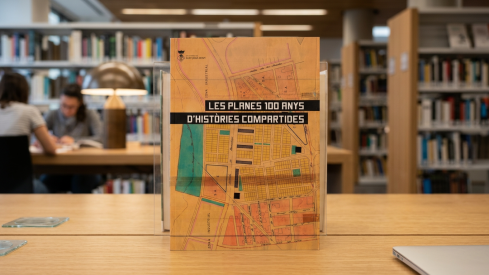
Do you see yourself capable of imagining what your neighborhood was like a hundred years ago? What buildings occupied the streets you walk every day, what shops were on the corners, or what stories were hidden behind the facades? The residents of Les Planes, in Sant Joan Despí, don't need to do much exercise of imagination. Coinciding with the neighborhood's centenary, Les Planes, 100 anys d’històries compartides (Les Planes, 100 years of shared stories) has been published, a book that reconstructs its memory based on the recollections of forty residents. The volume traces the human portrait of a century of collective life and invites readers to explore the history of a neighborhood that has changed as much as the people who have inhabited it.
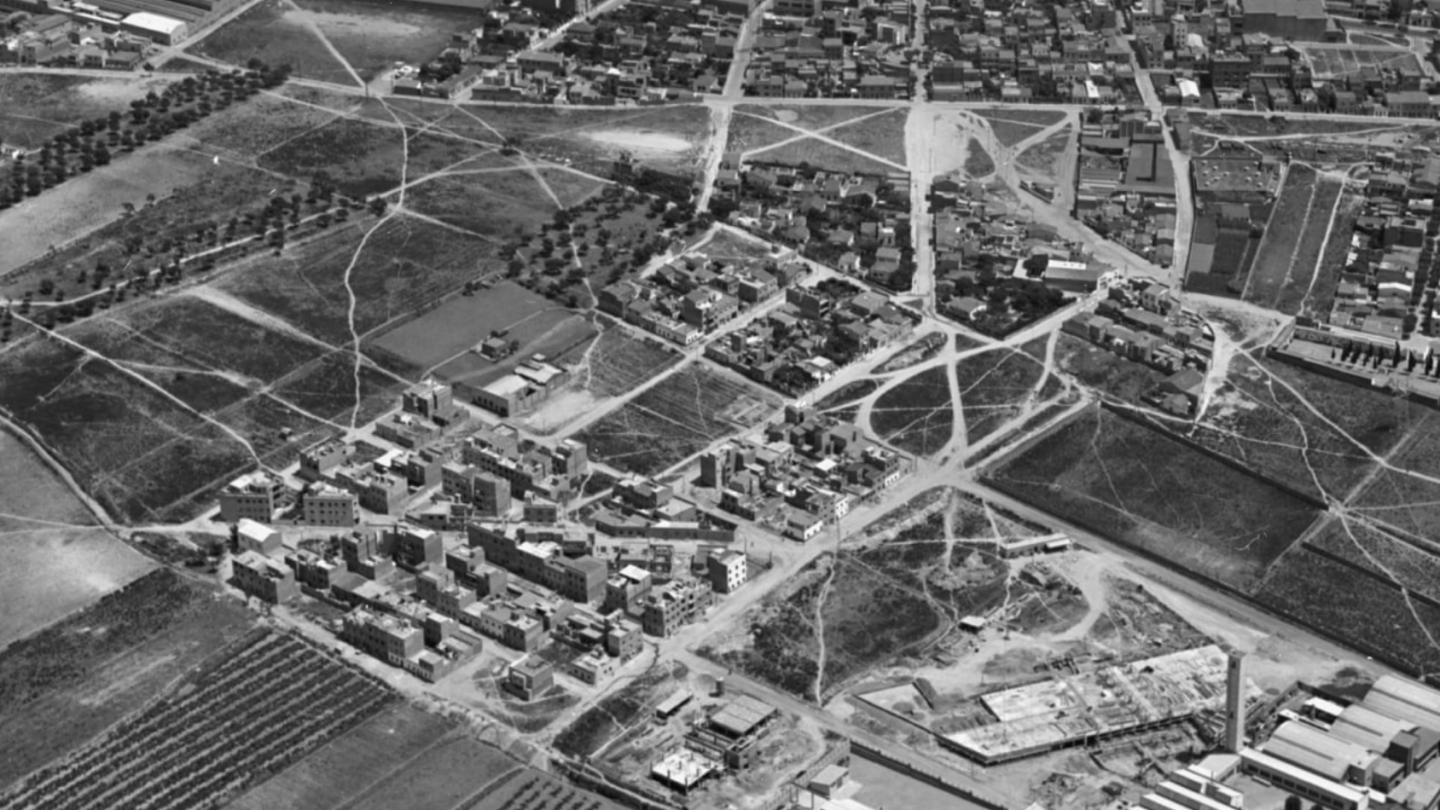
The story begins in 1925, when the first houses began to appear on land next to Cornellà. That small urbanization, known as Urbanització Badalona, would be the seed of a neighborhood that was yet to grow. Over the years, new families, new streets, and new hands willing to build a future would arrive. Many of those houses were built by the residents themselves, on dirt streets, without sewage, and with water as a commodity that had to be fetched far from home.
The book covers these hundred years through the spaces that have marked the daily life of Les Planes, such as the squares where festivals, carnivals, and "Cruces de Mayo" have been celebrated; the streets that have seen entire generations grow up; and the facilities that, as the oldest residents of the municipality will remember, are the result of demands and demonstrations.
And the neighborhood coexisted for years with factories, fuel depots, and large industrial facilities, but neighborhood mobilizations transformed these spaces into some of the most beloved places today: the Miquel Martí i Pol library occupies the land where there was once a cement company, and the Fontsanta Park, today the green lung of Sant Joan Despí, was once a landfill. Where there was once dust, noise, and rubble, now there are books, trees, and shadows.
Among the most singular stories linked to the neighborhood's past is that of the Gran Capitán promenade, an old nerve center of social life in Les Planes. Its name was given by the residents of the neighborhood, many of them from Montilla, a Cordovan city where the Great Captain is the most recognized historical figure. In fact, the ties with this Andalusian municipality are so strong that since 1986 Sant Joan Despí has been twinned with it. The history of Les Planes cannot be explained without the footprint of the Andalusian migrations that, from the second half of the 20th century, decisively contributed to shaping its character.
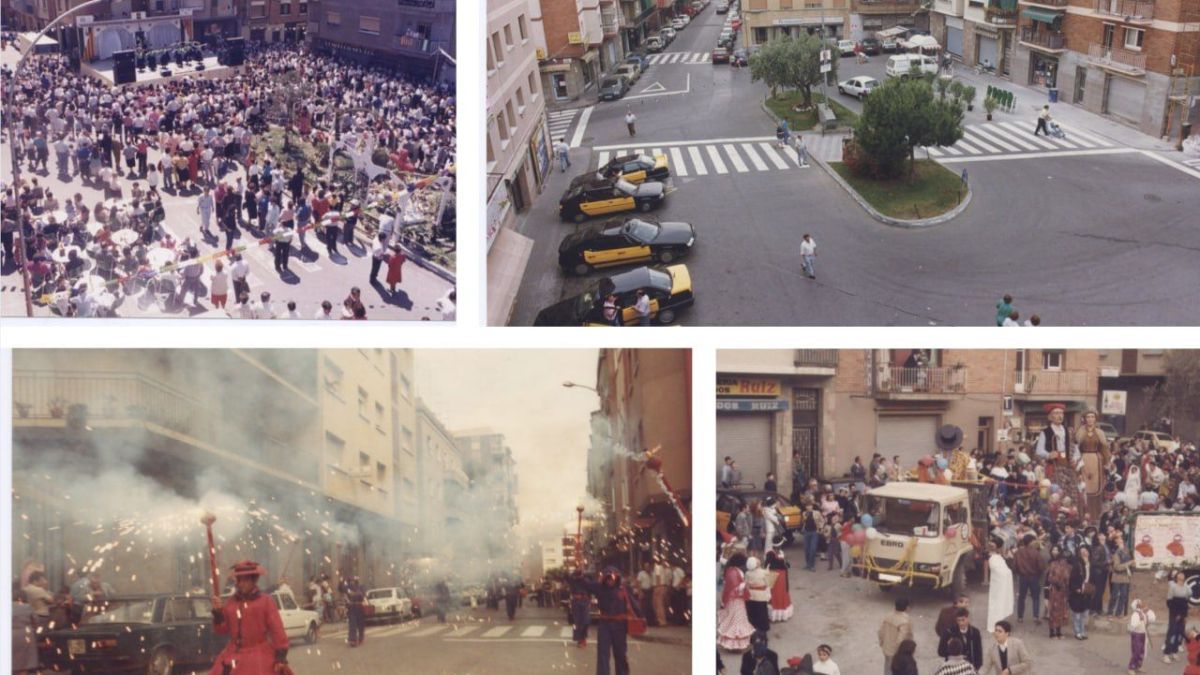
On this same promenade, during the summers, the terraces filled with families who drank glasses of snails in broth, a tradition from Cordoba that ended up giving the promenade an affectionate nickname: the Paseo de los Caracoles.
More than an exercise in nostalgia, Les Planes, 100 years of shared stories is an invitation to look at the neighborhood as a living organism, made of individual memories that end up building a collective history. A tribute to the people who transformed a set of streets without services into a community full of life. Because, after all, neighborhoods are not made by stones or buildings: they are made by the stories left by their inhabitants.


