
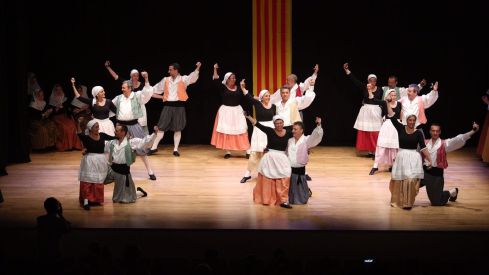
For the first time in its history, Sant Joan Despí is preparing a procession for the town's main festival, celebrated around June 24th. The initiative was born out of a desire to strengthen local identity, foster a sense of belonging, and give greater visibility to the municipality's rich associative fabric. Several organizations state that local cultural life needs a boost and that citizens should feel more connected to it. As the project's initiators explain: "Currently, a significant portion of the population does not feel engaged by popular culture, and during the main festival, there is often a lack of a clearly identifying element that generates collective pride."
At the same time, the procession is also born with the intention of weaving complicity between entities, strengthening networking, and creating synergies. The project is conceived as a shared space for dialogue, collaboration, and collective creation, with the aim of building a more cohesive, participatory, and representative popular culture in the city. For this very reason, an organizing committee has been formed with representatives from each of the participating entities, ensuring shared leadership and guaranteeing active participation without the burden falling on a single entity.
But… what exactly is a retinue?
A parade is the meeting point of a town's popular culture: a festive procession where associations and groups march to celebrate the identity and history of their municipality. In the case of Sant Joan Despí, the initiative already includes about twenty associations representing different areas of Catalan popular culture: music, dance, fire, festive imagery, historical reenactment, and popular expression. Among them are the Colla de Diables (Devil's group), the Colla Gegantera (Gargantuan figures group), the Esbart Dansaire (traditional dance group), the Allargalagralla pipers, the Colla Sardanista (Sardana dance group), the Societat Cor de la Flora (the oldest association in town), the Tres Tombs (a traditional procession), and Òmnium Cultural, etc.
In fact, the project has even spurred the creation of new groups, such as the Colla Bastonera, and it is not ruled out that new groups linked to the procession may emerge in the future. The intention is to keep it open to new incorporations, as long as the traditional Catalan and symbolic character that defines a festive procession is respected.
To ensure this parade has the visibility and prominence it deserves, the organizing committee of the Sant Joan Despí procession has proposed a route that passes through the significant streets and squares of the municipality, also establishing various performance points.
The proposal is for it to take place on the same day as the opening speech of the Festa Major, as an inaugural act and kick-off to the festive days. Although it was initially planned for June 18, the date is not yet finalized and is being considered together with the City Council.
A project with a future outlook
Currently, the procession is in a consolidation phase. The next steps involve defining the artistic content, creating and strengthening groups, working on music, dances, costumes, and fostering citizen participation. The promoting entities understand this first year as a starting point, not a closed project.
The ultimate goal is for the Festive Procession to become a stable part of the Sant Joan Despí Major Festival and to become a symbolic and identifying element of the city, capable of growing, evolving, and strengthening the link between popular culture, organizations, and citizens


