
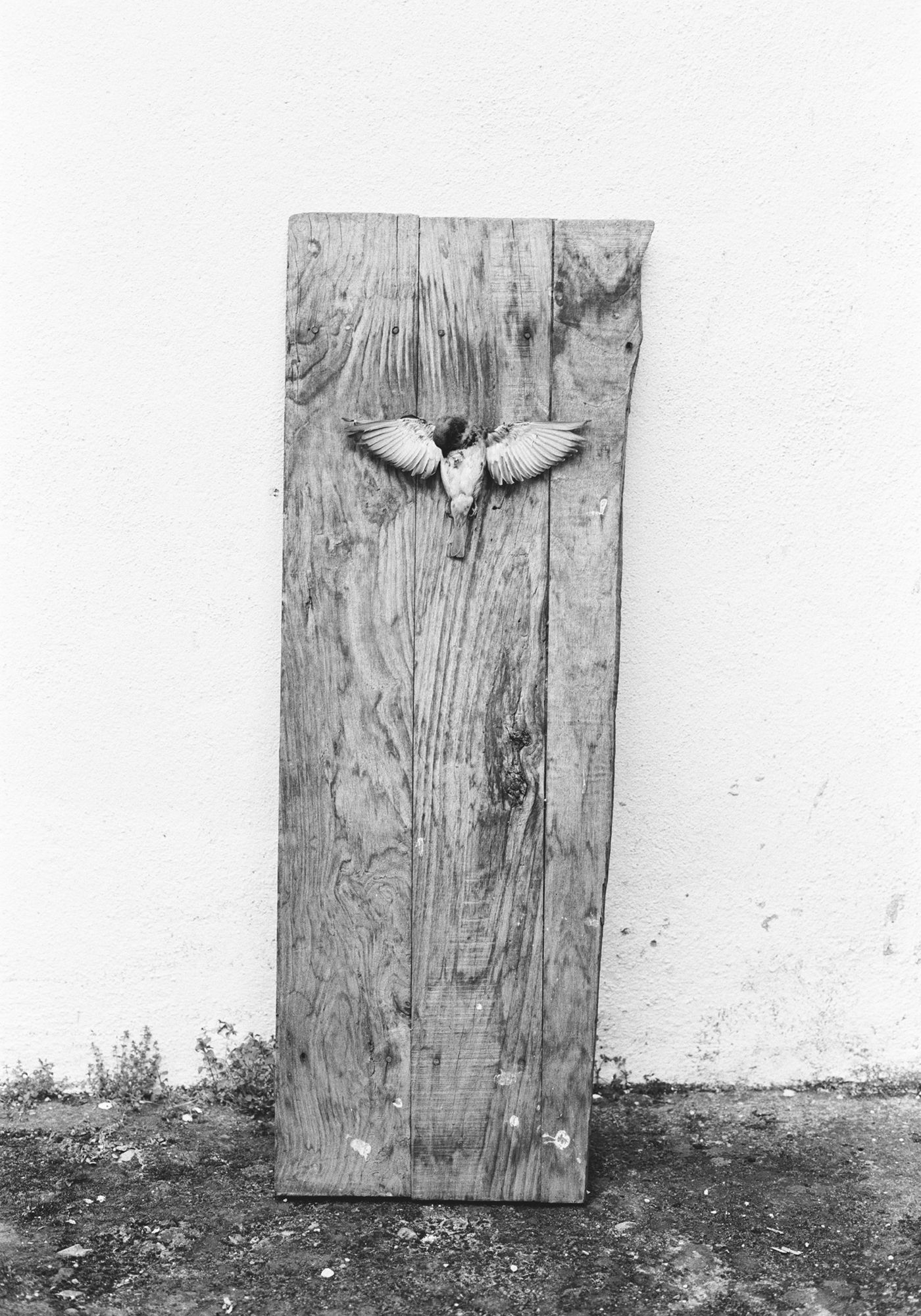
Flamenco as a visual and emotional language in Santa Coloma. The Can Sisteré Centre for Contemporary Arts hosts until February 15 Quejío, the new photographic exhibition by Pablo Alejandro, a deeply autobiographical project that turns flamenco into an image and pain into a visual narrative. The exhibition is a review of the work created during almost two years of voluntary isolation by the author in Robledo de Mazo (Toledo), a small village in the mountains where he lived away from Barcelona, his family, and his usual surroundings.
In 2023, after achieving several professional successes, Pablo Alejandro decided to move alone to this rural village. There he renovated an abandoned house, which he turned into a creative laboratory and photographic studio. In this context of silence, nature, and distance, Quejío was born, a constellation of images that traverse winter landscapes, animals, emotional bonds, love, and also death. The author's only companion was flamenco, with emotive and melancholic melodies that characterize the "seguiriyas" of singers like Manuel Agujetas, Camarón, and La Paquera de Jérez, great references for the photographer.
"I wanted the photographs to sound like a seguiriya”
Flamenco music is the invisible thread that accompanies the author's entire project, playing in his room during the revelation and collection of images. Especially present is the "seguiriya," one of the pillars of flamenco that moves him the most for its harshness and emotional weight. "I wanted the photographs to sound like a seguiriya," explains Pablo Alejandro. The exhibition's title, Quejío, refers to that broken and deep "ay" of flamenco singing: a cry of bitterness, visceral and honest.
The images at the Can Sisteré Centre for Contemporary Art do not aim to be situated in a specific time or place, but rather to speak of universal and persistent feelings. Love and pain appear as two inseparable forces, visible in family portraits, self-portraits, injured animals, or misty landscapes that evoke solitude, fragility, and resilience.


